

Module Replacement
OEM Module ReplacementModern vehicles rely on cameras, radar sensors, and other electronic modules to operate critical Advanced Driver Assistance Systems (ADAS). When one of these components fails or is damaged, proper replacement, programming, initialization, and calibration may be required to restore system operation.
We replace accessible ADAS cameras, radar units, and sensors when the service does not require removing bumpers, body panels, or other major vehicle components. These modules support features such as adaptive cruise control, automatic emergency braking, lane assistance, blind-spot monitoring, and collision avoidance.
Using OEM-compatible diagnostic and programming equipment, we install and configure eligible replacement modules according to manufacturer requirements. We then perform any required calibration and diagnostic testing to verify communication, address warning lights, and help restore proper ADAS functionality.
What are Modules?
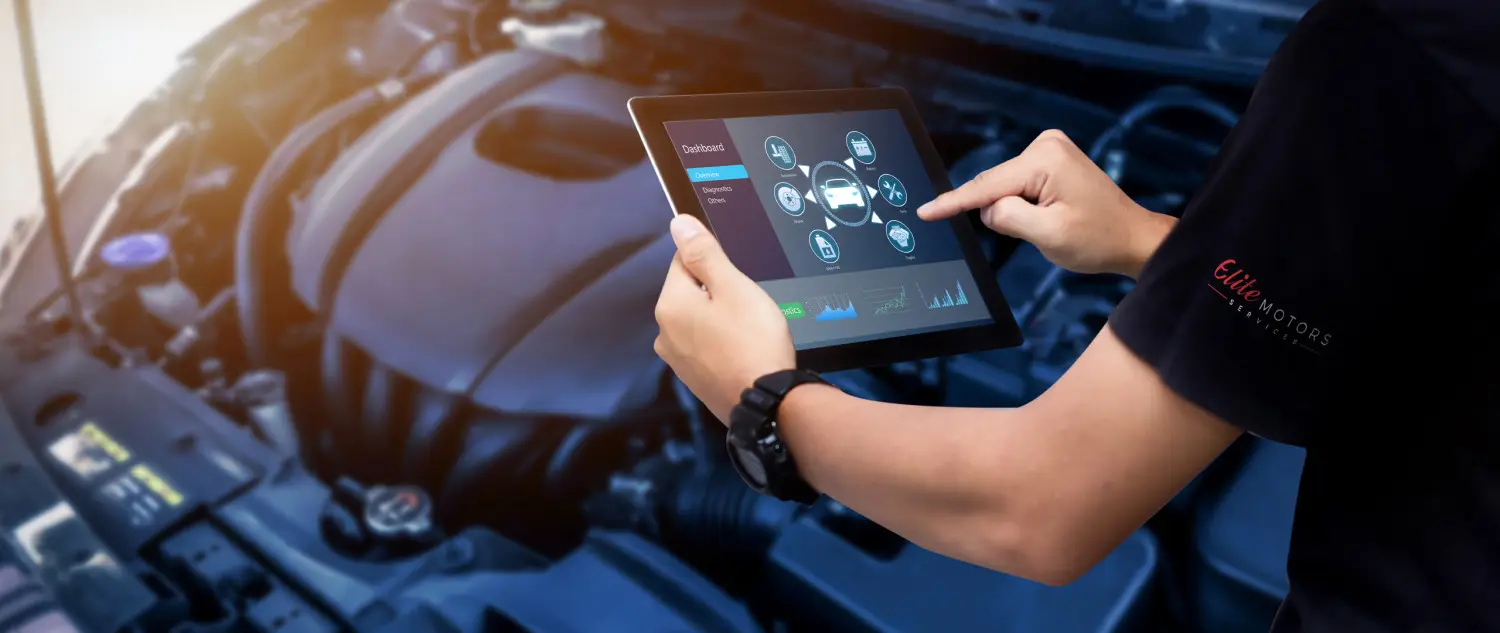
An automotive control module is an onboard computer that manages specific vehicle systems such as engine performance, transmission shifting, braking, airbags, and advanced driver assistance features. Modern vehicles rely on multiple interconnected modules to process sensor data and ensure systems communicate and function correctly. When a module is replaced or updated, professional module programming is required to restore manufacturer specifications, prevent warning lights, and ensure safe, reliable vehicle operation.

Replacement Steps
A full system scan is performed to identify fault codes, communication issues, and the modules that require programming or updating.
The vehicle is stabilized with a battery maintainer and verified for proper voltage to prevent data corruption during programming.
The correct control module is identified and replaced.
OEM software is used to install, update, or reflash the module with the correct firmware and vehicle-specific data.
Vehicle options, features, and calibrations are coded so the module communicates properly with other systems.
Related systems—such as ADAS cameras, steering angle sensors, or throttle bodies—are calibrated as required.
A final scan and functional check confirm proper operation, cleared fault codes, and restored vehicle performance.